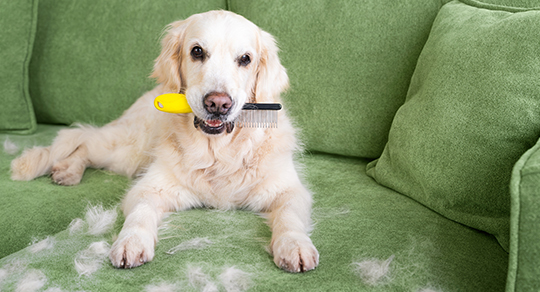
Why Do Dogs Shed So Much in Spring, and How Can Grooming Help?
If you’re finding tufts of dog hair clinging to your furniture, floors, and clothes as the weather warms up, welcome to spring shedding season. It’s a common part of pet ownership, but that doesn’t make it any less frustrating.
Understanding why dogs shed more in the spring and what grooming strategies actually work can make a big difference, not just for your home’s cleanliness, but for your dog’s comfort and health.
Understanding Spring Shedding: Why It Happens and Why Grooming Matters
Shedding is part of a dog’s natural hair cycle. As the seasons change, so does their coat. In spring, dogs typically shed their thick winter fur to prepare for warmer weather. This process is especially noticeable in breeds with double coats, like Huskies, Golden Retrievers, and German Shepherds.
Dogs are responsive to changes in daylight. As days get longer, their bodies are triggered to release the dense undercoat built up during winter. While this is a healthy biological process, it can quickly turn your home into a fur-covered mess if left unmanaged.
Without proper grooming, loose hair can get trapped in your dog’s coat, leading to matting, hot spots, or skin irritation. Dogs may also overheat if their shedding coat isn’t properly maintained, particularly those with thick or dense fur. That’s why grooming during spring isn’t optional; it’s essential.
The Role of Coat Type in Dog Shedding
Not all dogs shed the same way. Shedding levels and grooming needs often depend on coat type. Here’s a quick breakdown:
- Single-coated dogs (like Poodles and Maltese) shed less overall but still need regular brushing to prevent tangles and debris buildup.
- Double-coated dogs (like Labradors and Huskies) shed heavily during seasonal changes as their undercoat is released.
- Curly or wiry-coated dogs (like Portuguese Water Dogs or Schnauzers) trap shed hair in their curls, which can mat if not brushed out.
- Short-coated dogs (like Boxers and Beagles) shed regularly year-round, with some increase in spring.
Understanding your dog’s coat type helps determine how often they need grooming and what tools work best. A deshedding tool that works wonders on a Husky might do very little for a Yorkie.
Signs of Excessive or Unhealthy Shedding
Spring shedding is normal, but there’s a point where it can indicate an issue. So how do you tell the difference between routine shedding and something more serious?
Watch for these red flags:
- Bald spots or thinning areas
- Excessive scratching or licking
- Red, flaky, or irritated skin
- Shedding continues heavily beyond the spring months
These could signal allergies, poor diet, parasites, or underlying health conditions. If you notice any of these signs, it’s a good idea to check in with a vet or a professional groomer trained to spot coat and skin issues.
Grooming Strategies to Manage Spring Shedding
Keeping your dog’s coat healthy during shedding season starts with a solid grooming routine. At home, there are a few tried-and-true practices that can help manage the fur fallout:
- Brush regularly: Daily brushing is ideal during heavy shedding. Use a slicker brush, undercoat rake, or deshedding tool, depending on your dog’s coat.
- Bathe strategically: Bathing helps loosen dead fur. Use a moisturizing dog shampoo and follow up with a good brush-out once your dog is dry.
- Focus on hydration and diet: A healthy coat starts from within. Ensure your dog is drinking enough water and eating a nutrient-rich diet that supports skin health.
Consistency is key. The more often you do hair removal for dogs through brushing and bathing, the less it ends up on your couch and carpets.
Benefits of Professional Dog Grooming Services
While at-home grooming is important, professional groomers offer services that go far beyond the basics. During spring shedding season, they’re your secret weapon for keeping fur under control.
Here’s how groomers can help:
- Deshedding treatments: These deep-grooming sessions use specialized tools and conditioners to remove the undercoat more effectively than regular brushing.
- Advanced equipment: High-powered dryers and de-shedding tools are designed to remove more hair in less time; tools that most pet owners don’t have at home.
- Health checks: Groomers are trained to recognize early signs of skin infections, lumps, or parasites that may go unnoticed at home.
Plus, professional grooming helps keep your dog’s nails trimmed, ears cleaned, and overall hygiene in check, making it a comprehensive part of their wellness routine.
Choosing the Right Grooming Schedule for Your Dog
Grooming needs vary depending on breed, coat type, and the dog’s shedding levels. While some dogs may only need professional grooming every couple of months, others benefit from more frequent visits, especially in high-shedding seasons like spring.
Here’s how to find the right grooming rhythm:
- Talk to a groomer: An experienced groomer can assess your dog’s coat and recommend a customized schedule.
- Watch your dog’s comfort: If they’re scratching more, shedding excessively, or seem uncomfortable, it may be time to increase grooming frequency.
- Do your research: Look for groomers with proper certifications, positive client reviews, and experience handling your dog’s specific breed and coat type.
Remember, regular grooming isn’t just about appearances; it’s about keeping your dog comfortable, clean, and healthy.
Shedding and Grooming: Keeping Your Dog Comfortable Year-Round
As dog shedding increases in the spring, grooming becomes not just helpful but essential. Managing your dog’s coat properly reduces matting, keeps their skin healthy, and makes your home a lot cleaner.
Seasonal shedding doesn’t have to take over your life (or your furniture). With the right grooming routine and the help of a professional groomer, you can keep your dog happy, healthy, and far less hairy.
Reach out to APEX Academy today at (639) 307-6303 or click here to get in touch online.