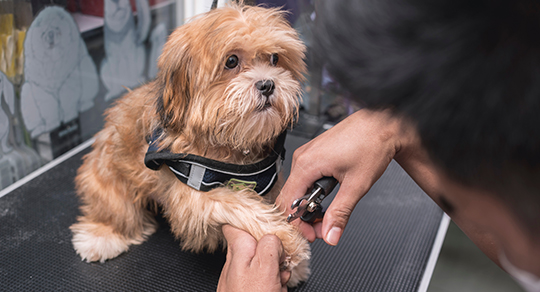
How to Groom an Anxious Dog: 5 Tips for Calming Nervous Pups During Grooming
Grooming can be a stressful experience for many dogs, especially those who are naturally anxious or who’ve had past negative experiences. For pet parents and groomers alike, managing that anxiety is key to ensuring a safe, low-stress grooming routine. Whether you're handling grooming at home or working with a professional, a calm dog is a safer, happier dog.
The good news? With the right dog grooming tips, calming techniques, and a little patience, grooming doesn’t have to be a battle. Below are five expert-backed tips from the team at Zoom Zoom Groom and APEX Academy to help you support your pup through every brush, trim, and nail clip.
Simple Ways to Make Grooming Less Stressful for Anxious Dogs
It’s completely normal for dogs to feel nervous about grooming. Clippers are noisy, new smells are overwhelming, and being handled in unfamiliar ways can trigger anxiety. But with consistency, desensitization, and the right tools, even anxious dogs can learn to tolerate and sometimes even enjoy grooming.
Here are five calming tips to make your next grooming session easier for you and your dog.
1. Start with Desensitization at Home
Before any formal grooming begins, it helps to gently introduce your dog to grooming tools in a calm, positive environment. Don’t jump into a full bath or haircut right away. Instead, get your dog familiar with the sights, sounds, and sensations of grooming at home.
- Let your dog sniff and explore brushes, combs, and clippers.
- Use treats and praise when they show calm interest.
- Turn on the clippers nearby without touching your dog to help them get used to the sound.
- Practice short, non-invasive grooming sessions while your dog is relaxed.
These small exposures can build your dog’s confidence and make professional grooming less intimidating. Try practicing a mock grooming session every few days, gradually increasing duration and complexity. Include play sessions and cuddles in between so your dog continues to associate the process with positive attention and safety.
2. Choose the Right Time and Setting
Timing is everything. Grooming your dog right after a walk or play session, when they’re more relaxed, can make a big difference. Avoid grooming when your dog is already stressed or overstimulated, such as during a thunderstorm or when guests are visiting.
Keep your grooming environment as quiet and calm as possible:
- Choose a low-traffic area of your home.
- Use natural lighting and avoid strong cleaning product smells.
- Keep other pets and distractions away.
You might also designate a specific grooming area or mat so your dog learns to associate that space with calm, predictable handling. Consistency in location helps reinforce positive dog behaviour. Some dogs respond well to familiar cues like a calming scent, blanket, or a soft grooming mat placed in the same spot each time.
3. Use Calming Aids and Techniques
Sometimes, even the best timing and gentle exposure aren’t quite enough. That’s where calming aids come in. There are several tools and products that can support a more relaxed grooming experience:
- Pheromone sprays: These mimic calming canine pheromones.
- Anxiety wraps: A snug garment like a ThunderShirt can help your dog feel secure.
- Natural supplements: Ask your vet about calming chews with ingredients like L-theanine or melatonin.
- Music and white noise: Play soft background sounds to mask startling noises.
In cases of severe grooming anxiety, your veterinarian may recommend short-term use of anti-anxiety medication to make grooming more manageable. Every dog is different, and it’s important to find a solution that works best for your pup’s unique needs and triggers.
4. Keep Sessions Short and Positive
Long grooming sessions can overwhelm anxious dogs. Instead, try breaking the grooming process into smaller steps:
- Clip one or two nails instead of all at once.
- Brush a section of fur each day instead of the whole body.
- Keep bath times quick and end with a fun activity like a walk.
Always reward calm dog behaviour with treats, praise, or play. Ending every session on a positive note, even if you didn’t finish everything, teaches your dog that grooming doesn’t have to be scary.
Even something as small as letting your dog sit calmly on the grooming table without doing anything for a few minutes can help reinforce comfort in the grooming space. You can also use a lick mat with peanut butter or other safe treats to keep your dog distracted and focused during grooming tasks.
5. Work with an Experienced, Patient Groomer
Not all groomers are trained to work with anxious dogs, which is why choosing the right one is essential. Look for grooming professionals with experience in dog behaviour and fear-free handling techniques.
Before your appointment, give the groomer a heads-up about your dog’s personality and triggers. Ask questions such as:
- Do you have experience grooming anxious or reactive dogs?
- What calming techniques do you use during appointments?
- Can I stay nearby during the first session to help ease my dog in?
At Zoom Zoom Groom, our grooming team works closely with the trainers at APEX Academy to create a low-stress, individualized approach for each dog. From slow introductions to quiet grooming tools, we take every step possible to ensure a safe and positive grooming experience.
Partner with Groomers Who Understand Nervous Pets
Anxious dogs aren’t lost causes when it comes to grooming. With thoughtful planning, consistent dog training, and support from compassionate professionals, even the most nervous pups can feel comfortable over time. These dog grooming tips can help you build trust, reduce stress, and turn grooming into something manageable for your dog and less stressful for you.
Whether you’re grooming at home or seeking help from a professional, Zoom Zoom Groom and APEX Academy are here to support your dog’s comfort and confidence every step of the way.
Reach out to Zoom Zoom Groom today at (639) 307-6303 or click here to get in touch online.