What’s the Best Way to Groom Your Dog After a Day at the Dog Park?
A good dog park visit can leave your dog tired, happy, and absolutely filthy. Mud gets packed between paw pads, loose grass sticks to the belly, and odours seem to appear out of nowhere during the ride home. Even when your dog looks only mildly messy, their coat may be carrying bacteria, allergens, dust, pollen, or debris picked up from shared play areas.
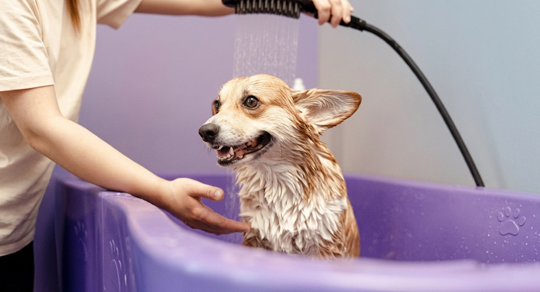
That is where a smart dog bathing routine comes in. Bathing after a park visit is not just about making your dog smell better. It supports healthy skin, keeps the coat more comfortable, and helps reduce the dirt and irritants your dog may bring into your home.
At APEX Academy, we understand how much regular grooming affects day-to-day dog care. After an energetic afternoon outdoors, a little structure can make cleanup easier, safer, and less stressful for both you and your pet.
How to Handle Dog Bathing After a Messy Day at the Park
A romp through puddles, grass, mulch, and shared park equipment can leave your dog’s coat holding more than visible dirt. Dog bathing after a park day should be gentle enough for comfort but thorough enough to clean the areas most exposed to grime.
The goal is not to scrub aggressively or over-bathe. A careful routine helps remove buildup, reduce odour, and lower the chance of skin irritation caused by trapped dirt or leftover shampoo.
Check Your Dog’s Coat and Skin First
Before turning on the water, take a few minutes to inspect your dog’s coat and skin. Look for burrs, small twigs, ticks, cuts, redness, or tender spots. These issues can hide under dense fur, especially after your dog has rolled in grass or brushed against bushes.
Pay close attention to the paws, underbelly, armpits, and behind the ears. These areas tend to collect debris and moisture. Finding problems before the bath prevents you from rubbing shampoo into irritated skin or pulling on tangles that are caught around a burr.
Brush Out Dirt and Tangles Before Bathing
Brushing before bathing removes loose dirt and makes the wash more effective. It also helps prevent small tangles from tightening into mats once the coat gets wet.
Short-coated dogs may only need a soft-bristle brush or grooming mitt. Dogs with medium or long coats often need a slicker brush, comb, or de-matting tool, depending on the coat condition. Be gentle and work slowly through areas where dirt has dried into the fur.
Skipping this step can turn a simple bath into a longer grooming session. Wet mats are harder to manage, and tugging through them can make your dog uncomfortable.
Use the Right Water Temperature and Products
Lukewarm water is usually the safest choice. Water that is too hot can irritate the skin, while cold water may make your dog anxious or tense during the bath.
Choose a shampoo made for dogs, not a human product. A dog’s skin has different needs, and harsh formulas can leave the coat dry or itchy. Dogs with sensitive skin, thick coats, or lingering odour may need products selected for those specific concerns.
A small amount of shampoo goes a long way. Work it into the coat gently, using your fingers to reach the skin without scratching.
Focus on High-Contact Areas
The paws, legs, belly, tail, and lower chest usually take the most abuse at the dog park. These areas come into contact with mud, grass, standing water, other dogs, and shared surfaces.
Clean between the paw pads carefully, since grit can become trapped there. Wash the legs and belly with slow, steady motions rather than vigorous scrubbing. If your dog has a long tail or feathering on the legs, check for bits of leaves or mulch as you go.
A focused approach keeps the bath practical. The areas that picked up the most dirt get the attention they need, while the rest of the coat can be cleaned without unnecessary rough handling.
Rinse Thoroughly to Avoid Residue
Leftover shampoo is one of the most common reasons dogs itch after a bath. Residue can dry on the skin, especially under thick fur, and may lead to flaking, irritation, or extra licking.
Rinse until the water runs clear and the coat no longer feels slippery. Dense coats need extra time, particularly around the neck, chest, and back legs. Run your fingers through the fur while rinsing to help water reach the skin.
It can feel like the bath is finished once the visible dirt is gone, but the rinse is where comfort is won or lost.
Dry Your Dog Properly
Start with a towel and blot rather than rub, especially on long or curly coats. Rubbing can create tangles and make the coat harder to brush afterward.
Some dogs can air dry comfortably in a warm, draft-free space. Thick-coated or long-haired dogs may need a pet-safe dryer on a low, comfortable setting. Moisture trapped close to the skin can contribute to odour and irritation, particularly behind the ears, under the collar area, and in dense undercoats.
Make sure your dog is fully dry before letting them curl up in a bed or crate.
When to Consider Professional Dog Grooming Services
Home bathing works well for many routine park messes, but some situations call for professional support. Heavy mud, matting, strong odours, thick undercoats, anxious bath behaviour, or skin sensitivities can make grooming at home difficult.
A professional groomer has the tools, products, and handling experience to work through coat problems more thoroughly. For dog owners searching for dog grooming near me after a particularly messy outing, professional grooming can also save time and reduce the stress of trying to manage a difficult bath alone.
We are connected to grooming education and hands-on care, which makes professional grooming a useful option when your dog needs more than a quick cleanup.
Keep Your Dog Clean Between Park Visits
A full bath is not always needed after every outing. Between deeper washes, small habits can help manage dirt before it builds up.
Try wiping your dog’s paws and belly after each visit, brushing the coat regularly, and keeping a towel near the door or in the car. For wet or muddy days, a washable coat or protective gear can reduce how much grime reaches the fur.
A consistent grooming rhythm supports better dog care without over-washing. The cleaner your dog stays between park trips, the easier each bath becomes.
Make Dog Bathing Part of Your Park Visit Routine
Dog bathing after a park visit helps remove dirt, odours, allergens, and debris that can affect your dog’s comfort and hygiene. By checking the coat first, brushing before washing, using gentle products, rinsing carefully, and drying thoroughly, you can help your dog feel cleaner and more comfortable after outdoor play.
Reach out to APEX Academy today at (639) 307-6303, email us at info@zoomzoomgroom.com or click here to get in touch online.
FAQ
How often should I bathe my dog after visiting the park?
Bathing frequency depends on your dog’s coat type, skin condition, activity level, and how dirty they get. A dog that rolls in mud may need a full bath right away, while a lightly dusty dog may only need brushing and paw cleaning. Avoid over-bathing, since too much washing can dry out the skin.
Can I skip dog bathing if my dog doesn’t look dirty?
Sometimes, yes. Not every park visit requires a full bath. However, dirt is not always visible. Pollen, bacteria, and allergens can stay on the coat even when your dog looks clean. A wipe-down, spot cleaning, or thorough brushing may be enough after a lighter visit.
What products are best for dog bathing after outdoor play?
Use gentle, dog-safe shampoos designed for your dog’s coat and skin needs. Sensitive-skin formulas may suit dogs prone to dryness or irritation, while odour-control shampoos can help after muddy or wet outings. Avoid human shampoos and harsh products.
Is professional grooming better than bathing at home?
Both can work well. Home bathing is convenient for light messes and regular upkeep. Professional grooming may be better for heavy dirt, mats, thick coats, nervous dogs, or owners who want a more complete clean with specialized tools and products.
How can I make dog bathing easier after the park?
Set up towels, shampoo, brushes, and treats before bringing your dog into the bath area. Stay calm, use lukewarm water, and keep the routine predictable. Over time, consistency can help your dog understand what to expect after park visits.