Fall Pet Grooming Guide: Seasonal Shedding, Matting & Winter Coat Preparation
Fall can change what you notice about your pet’s coat. Some dogs shed more as the seasons shift, while other pets may develop tangles or need adjustments to their usual brushing routine.
That makes autumn a good time to reassess coat care before colder weather arrives. The right pet grooming routine depends on your animal’s coat type, breed characteristics, lifestyle, current coat condition, and comfort with grooming, rather than following one seasonal schedule for every pet.
How Fall Pet Grooming Helps Prepare Coats for Winter
Seasonal coat changes can make loose hair and tangles more noticeable, but pets don’t all respond to fall in the same way. A useful grooming routine starts with what you’re actually seeing and feeling in your pet’s coat.
Understand Your Pet’s Seasonal Coat Changes
Breed, coat type, indoor environment, outdoor activity, and individual characteristics can all affect how a pet’s coat changes through the year. Some owners notice heavier shedding in fall, while others see much less of a seasonal shift.
Pay attention to what is normal for your pet. If shedding suddenly becomes excessive or you notice bald patches, irritated skin, pain, or another unusual change, that moves beyond routine grooming and may warrant veterinary attention.
Manage Seasonal Shedding With Regular Coat Care
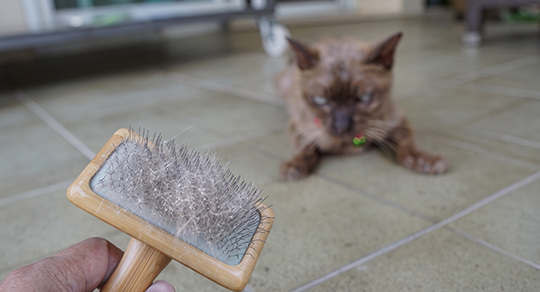
Brushing helps remove loose hair before it becomes tangled in the coat. During periods of heavier dog shedding, regular coat care can also make loose hair easier to manage around the home.
The right technique depends on the dog. A brush or comb that works well for one coat type may be ineffective or uncomfortable for another, so choose tools based on your pet’s coat rather than assuming one method fits every breed.
Consistency generally makes coat maintenance easier than waiting until loose hair has built up significantly.
Address Tangles Before They Develop Into Matting
Small tangles can become tighter and more difficult to manage when they remain in the coat. Pets with longer, denser, or mat-prone coats may need closer attention during seasonal coat changes.
Check the coat regularly, especially anywhere friction or movement seems to create tangling for your individual pet. If mats are already tight or close to the skin, avoid pulling or cutting at them aggressively at home.
A professional groomer can assess whether the coat can be worked through comfortably or whether a different grooming approach is safer.
Adjust Brushing to Your Pet’s Coat Type
There isn’t one correct brushing frequency for every pet. Coat length, density, texture, shedding patterns, lifestyle, and current condition all affect how often grooming may be useful.
Learning what a healthy, manageable coat normally feels like on your own pet makes changes easier to spot. Regular brushing also gives you a chance to notice developing tangles, debris, or areas that may need professional attention.
Keep Bathing and Drying Appropriate for the Season
Bathing can be part of a dog grooming routine, but more frequent bathing isn’t automatically better.
How often a pet needs a bath depends on its coat, lifestyle, activity level, and individual needs. Use products and techniques appropriate for the animal, and make sure the coat is dried properly after bathing, particularly when outdoor temperatures are becoming cooler.
If you’re unsure what works for your pet’s coat, ask a grooming professional rather than increasing bathing based on the season alone.
Prepare the Coat for Colder Weather Without Over-Grooming
Preparing for winter doesn’t mean removing as much coat as possible. The goal is a clean, comfortable, manageable coat that suits the individual pet.
Significant trimming decisions should take coat type and grooming needs into account. What is appropriate for one dog may make little sense for another, which is why coat-specific guidance is more useful than blanket seasonal rules about shaving or cutting hair shorter.
Good fall care is about managing the coat you have, not forcing every pet into the same winter grooming plan.
Know When Professional Grooming May Be Helpful
Professional grooming can be useful when shedding becomes difficult to manage, tangles keep returning, matting is developing, or certain grooming tasks aren’t safe or comfortable to handle at home.
Zoom Zoom Groom provides individualized grooming based on factors such as breed, coat type, pet needs, and owner preferences. Our services include bathing, brushing, de-shedding, nails, ears, and customized styling.
Groomers can support routine coat care, but they don’t replace veterinary care. Skin irritation, unusual hair loss, wounds, pain, or other possible medical concerns should be discussed with a veterinarian.
Build a Fall Grooming Routine That Fits Your Pet
Start with the condition of your pet’s coat rather than a generic calendar. Check regularly for loose hair, tangles, matting, debris, and noticeable changes, then adjust brushing or professional grooming as needed.
Your routine may combine simple at-home maintenance with periodic professional appointments. How that balance looks will depend on the pet.
Patience matters too. Grooming should be handled in a way that respects your pet’s comfort and tolerance instead of forcing through a difficult brushing or detangling session simply because it feels overdue.
Common Fall Grooming Mistakes to Avoid
One of the easiest mistakes is waiting until a small coat problem becomes a large one. Tangles that could have been addressed early may become uncomfortable mats that are much harder to manage.
Another is copying a routine that works for somebody else’s pet. Brushing frequency, bathing, trimming, and shedding management should all reflect the individual animal.
Finally, don’t assume every coat or skin change is seasonal. Sudden hair loss, soreness, irritation, wounds, or unusual behaviour during grooming deserve more attention than ordinary coat maintenance.
Make Pet Grooming Part of Your Fall-to-Winter Routine
Fall pet grooming works best when it responds to the animal in front of you. Watching for changes in shedding, tangling, matting, and overall coat condition can help you adjust care before winter rather than relying on a one-size-fits-all routine.
APEX Academy provides a grooming-focused environment built around professional standards, hands-on education, and individualized pet care. Pet owners looking for professional grooming services can get in touch with us for available dog grooming options.
Reach out to APEX Academy today at (306) 533-9155, email us at info@zoomzoomgroom.com orclick here to get in touch online.
Frequently Asked Questions
Do Dogs Shed More in the Fall?
Some dogs may shed more noticeably as the seasons change, but dog shedding varies by breed, coat type, environment, and the individual animal.
Pay attention to your dog’s normal pattern rather than assuming every increase is seasonal. Sudden or unusual hair loss, particularly when accompanied by skin changes or discomfort, should be discussed with a veterinarian.
How Often Should I Brush My Pet During Fall?
There’s no single schedule that works for every pet. Coat type, length, condition, shedding level, lifestyle, and tolerance for grooming can all affect how often brushing is useful.
Check the coat regularly and adjust your routine based on what you find. A professional groomer can offer coat-specific guidance if you aren’t sure which tools or techniques are appropriate.
What Should I Do if My Pet’s Coat Is Already Matted?
Avoid pulling aggressively at mats or trying to cut close to the skin yourself. Tight matting can be difficult to remove safely and comfortably.
A professional groomer can assess the coat and determine an appropriate grooming approach. If matting is associated with wounds, skin irritation, pain, or another possible health concern, veterinary care may also be necessary.
Should My Pet’s Coat Be Cut Short Before Winter?
Not necessarily. Appropriate coat length depends on the animal’s breed, coat type, condition, grooming needs, and lifestyle rather than the season alone.
Before making a major change, ask for coat-specific guidance. Winter preparation should focus on maintaining a clean, manageable coat that suits the individual pet.