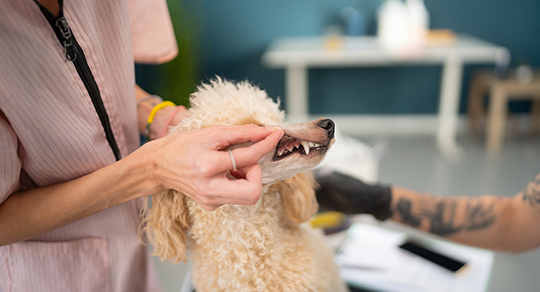
How to Become a Professional Pet Groomer: Training, Skills & Career Guide
Professional pet grooming is a hands-on career that combines technical skill with patience, attention to detail, and the ability to work safely with different animals. Groomers need to understand coat care, tools, handling, grooming procedures, and client expectations, not simply how to produce a finished haircut.
If you’re researching how to become a dog groomer, training is one part of the picture. Practical experience, confidence handling pets, communication skills, and continued learning all contribute to preparing for professional work.
What It Takes to Become a Professional Pet Groomer
Learning how to become a dog groomer usually involves both structured education and practical skill development. The goal is to understand not just what to do, but how to adapt grooming techniques to different pets, coat types, and situations.
Learn the Fundamentals of Dog and Pet Grooming
A strong foundation starts with understanding common grooming procedures, terminology, equipment, and coat-care principles.
Students typically need to learn how brushing, bathing, drying, coat preparation, nail care, and haircut concepts fit together. The correct approach can vary according to coat texture, density, condition, breed characteristics, and the individual pet.
That makes adaptability important. Professional grooming isn’t about memorizing one routine and applying it to every animal.
Develop Safe Pet Handling Skills
Technical ability means little if a groomer can’t work calmly and safely with the pet.
Dogs differ in temperament, tolerance, age, comfort level, and previous grooming experience. Students need to learn how to observe a pet’s responses, adjust their approach, and avoid forcing an animal through a process that isn’t going well.
Grooming education can teach appropriate handling within the groomer’s role, but it doesn’t replace veterinary care or professional behavioural assessment when those are needed.
Build Practical Brushing, Bathing, and Coat-Care Skills
Hands-on practice helps turn theory into usable skill.
Students should learn how to select tools for different coat characteristics and grooming tasks, then apply appropriate techniques for brushing, detangling, bathing, drying, and preparing the coat for later work.
These steps are connected. Poor coat preparation can make later grooming more difficult, while careful preparation gives the groomer a better foundation for trimming and finishing.
Learn Haircut and Finishing Techniques
Haircut work introduces another layer of precision.
Students need to become comfortable using grooming equipment carefully while learning how coat characteristics and client requests affect the finished result. Different dogs may require different maintenance approaches, lengths, or styles.
Complex techniques take practice. Building consistency gradually is more realistic than expecting advanced grooming skills to develop immediately after learning the basics.
Gain Hands-On Grooming Experience
Practical experience is one of the most useful things to investigate when comparing training options.
Working with real pets under supervision can expose students to different coat conditions, behaviours, grooming needs, and appointment workflows. Those differences are difficult to understand fully through theory alone.
When evaluating a dog grooming course or pet grooming course, ask how practical learning is incorporated and what level of supervision students receive. At APEX Academy, our programs combine theoretical instruction with supervised hands-on grooming experience.
Develop Client Communication and Professional Skills
A professional groomer also works with people.
Clients need to explain what they want, while groomers need to clarify expectations and communicate appropriately about coat condition, grooming options, and practical next steps. Listening carefully before beginning can prevent misunderstandings later.
Organization, cleanliness, time management, and professional boundaries matter too. Groomers should understand where their role ends, particularly when a pet may need veterinary attention rather than routine grooming advice.
Continue Building Skills After Initial Training
Completing an initial program is a starting point, not the finish line.
Groomers continue encountering unfamiliar coats, techniques, tools, client requests, and practical challenges as they gain experience. Continued education and supervised practice can help those skills develop over time.
The strongest learning mindset is usually one that expects professional growth to continue well after formal training ends.
How to Choose a Dog Grooming Course
A dog grooming course should be judged by what it actually teaches and how that learning is delivered.
Look at the curriculum, instructional format, opportunities for hands-on practice, and the types of skills the program is designed to develop. Ask whether students work with different coat types and grooming situations and how instructors provide feedback.
Course length, scheduling, prerequisites, assessments, cost, and completion credentials can vary between providers. Verify those details directly instead of assuming grooming programs follow one standard format.
APEX Academy is a government-registered grooming institution offering canine and feline grooming education with theoretical instruction and supervised practical experience. Prospective students can review specific program information that applies to the course they’re considering.
What to Look for in a Pet Grooming Course
A pet grooming course should fit the skills you want to develop and the type of work you hope to pursue.
Clear course information is important. Look for details about the curriculum, teaching approach, practical learning, assessment methods, and what students are expected to know or do by the end of the program.
It’s also worth asking how much of the training involves supervised work with real animals. APEX Academy’s model includes hands-on experience through the grooming businesses connected with the school.
Any claims about licensing, certification, recognition, employment outcomes, or career placement should be verified directly with the training provider or appropriate authority before enrolling.
Take the Next Step Toward Becoming a Dog Groomer
Learning how to become a dog groomer involves more than choosing a course and learning a few techniques. Strong preparation combines grooming fundamentals, safe handling, practical coat care, supervised experience, client communication, and continued learning.
APEX Academy offers professional grooming education for people looking to develop canine, feline, or combined grooming skills. When comparing programs, focus on what you’ll learn, how much practical experience is included, and whether the course fits your goals.
Reach out to APEX Academy today at (306) 533-9155, email us at info@zoomzoomgroom.com or click here to get in touch online.
Frequently Asked Questions About Becoming a Pet Groomer
Do You Need Training to Become a Dog Groomer?
Professional training can help aspiring groomers build foundational knowledge, safe handling habits, grooming techniques, and practical experience before working independently with clients’ pets.
Whether a particular credential is legally required can depend on location and career circumstances. Don’t assume one specific qualification is mandatory without checking the requirements that apply where you intend to work.
How Long Does It Take to Learn Dog Grooming?
There isn’t one universal timeline.
Training length depends on the course structure, curriculum, amount of hands-on practice, and skills being developed. Completing an introductory program is also different from becoming experienced across a wide range of breeds, coats, behaviours, and grooming situations.
Professional confidence typically continues to develop with practice.
What Skills Do Professional Pet Groomers Need?
Professional groomers need a combination of technical grooming knowledge, safe animal handling, tool use, coat-care skills, attention to detail, communication, organization, and good professional judgement.
Those skills continue to expand as groomers encounter different pets, coat types, services, and client expectations.
What Should I Ask Before Enrolling in a Dog Grooming Course?
Ask about the curriculum, teaching format, practical learning opportunities, prerequisites, scheduling, costs, assessments, and what students receive after completing the program.
You should also verify any claims involving credentials, professional recognition, employment assistance, or career outcomes. Comparing those answers with your own goals can help you decide whether the course is a good fit.