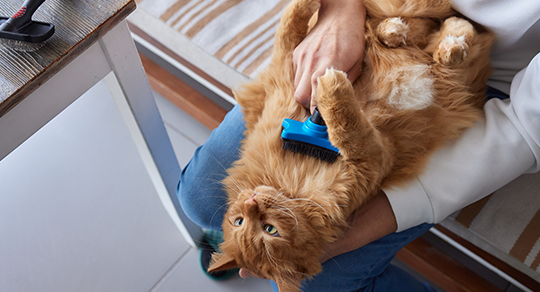
How to Reduce Shedding in Long-Haired Cats Before the Fall Season
Long-haired cats can leave plenty of loose fur behind at any time of year, but seasonal coat changes may make cat shedding more noticeable as fall approaches. For owners, that can mean more fur on furniture, more time spent brushing and a greater need to keep an eye on tangles throughout a thicker coat.
You can't stop a cat's natural coat turnover, but you can make loose hair easier to manage. A consistent grooming routine, suitable tools and regular attention to the coat can help you stay ahead of seasonal changes before they become harder to handle.
How to Manage Cat Shedding in Long-Haired Cats Before Fall
Managing loose fur is easier when grooming becomes part of the cat's regular care rather than a response to a sudden buildup of hair. The right routine will depend on your cat's coat, tolerance and individual grooming needs.
Start a Consistent Brushing Routine Before Fall
Regular brushing gives you a chance to remove loose hair from the coat before much of it ends up around the house. Starting before you notice a major increase in shedding can also make coat care feel like an established routine rather than an intensive cleanup session.
There isn't one brushing schedule that suits every long-haired cat. Some coats need attention more often than others, and your cat's comfort with handling matters too.
If your cat loses patience quickly, shorter sessions may be more manageable than trying to work through the entire coat at once. The goal is steady maintenance, not removing as much hair as possible in a single sitting.
Choose a Cat Grooming Brush That Suits the Coat
Not every grooming tool performs the same job. When choosing a cat grooming brush, consider both the characteristics of your cat's coat and what the tool is designed to do.
One brush may be intended to work through the outer coat, while another type of tool may be more useful for collecting loose hair. Using a tool more aggressively won't necessarily improve the result and may make grooming uncomfortable for the cat.
Follow the tool's intended use and work gently. If you're unsure which brush is appropriate for your cat's particular coat, a professional groomer can help you understand the available options.
Pay Attention to Tangles and Matting
Loose fur isn't the only thing worth watching in a long coat. Hair can become tangled, particularly in areas where it rubs together or is harder for the cat or owner to maintain.
Checking the coat regularly helps you notice these areas before you're simply reacting to a difficult knot. If you encounter a tangle that won't come apart with ordinary, gentle brushing, don't pull at it forcefully.
More significant matting can be difficult to deal with safely at home. In that situation, professional grooming support may be a better option than attempting techniques that could cause discomfort or injury.
Make Grooming Comfortable for Your Cat
A technically perfect brushing routine won't be very useful if your cat won't tolerate it. Pay attention to how your cat responds as you handle different areas of the coat and adjust the session when necessary.
Some cats may accept longer grooming sessions, while others do better with brief periods of brushing followed by a break. Introducing changes gradually can be especially useful if you're increasing grooming before fall.
Rather than forcing a fixed routine, work within what your individual cat can comfortably manage.
Keep Up With Coat Care Throughout the Season
One thorough brushing session may remove plenty of fur, but seasonal coat maintenance doesn't end there. As your cat continues to shed naturally, more loose hair can accumulate.
Continue checking the coat and adjust your routine according to what you observe. This can help reduce cat shedding around the home by capturing some loose hair during grooming, but it shouldn't be treated as a way to eliminate shedding entirely.
Consistency is more useful than waiting for the coat to become difficult to manage and then trying to solve everything at once.
Consider Professional Grooming Support
Professional grooming can be useful when a long-haired coat needs more attention than you're comfortable providing at home.
Before booking, tell the grooming provider about your cat's coat condition, previous grooming experiences and tolerance for handling. Ask which services may be appropriate and what the appointment involves rather than assuming every feline groomer uses the same process.
When Cat Shedding May Need More Than Routine Grooming
Routine grooming can help manage naturally loose fur, but not every change in a cat's coat should simply be answered with more brushing.
Pay attention when shedding suddenly seems unusual for your individual cat or when you notice concerning changes involving the coat or skin. Grooming alone can't determine why those changes are happening.
If you're concerned about unusual shedding, skin changes or your cat's overall well-being, contact an appropriate veterinary professional rather than trying to diagnose the cause at home.
Prepare Your Home for Seasonal Cat Shedding
Coat care addresses loose hair before some of it falls away, while regular household cleaning helps manage the fur that still makes its way into your living space.
Focus on places your cat uses most often. Bedding, favourite chairs, blankets and other resting areas tend to collect hair quickly. Vacuuming or cleaning these surfaces regularly can keep loose fur from spreading further through the home.
Household cleanup complements grooming, but it doesn't replace caring for the coat itself. A clean sofa won't tell you whether a long-haired cat is developing tangles underneath all that fluff. Sneaky little fur villains.
Get Ahead of Cat Shedding Before Fall
Managing cat shedding in a long-haired cat is less about finding a one-time solution and more about maintaining the coat consistently. A suitable brushing routine, gentle handling and regular checks for tangles can help you manage loose fur according to your own cat's needs. Because coat type and grooming tolerance vary from cat to cat, professional guidance can also help you determine which approach is appropriate for your pet.
Reach out to APEX Academy today at (639) 307-6303, email us at info@zoomzoomgroom.com or click here to get in touch online.
Frequently Asked Questions
Is It Normal for Long-Haired Cats to Shed?
Shedding can be part of normal coat turnover, including in long-haired cats. The amount and pattern can differ from one cat to another.
If you notice a change that seems unusual for your cat or you're concerned about the coat, skin or general well-being, seek appropriate professional advice rather than assuming it is simply seasonal shedding.
Can You Completely Stop a Cat From Shedding?
No grooming routine can guarantee a shed-free cat. The more realistic goal is reducing cat shedding around the home by managing loose fur as part of regular coat care.
Brushing can collect some hair before it falls away naturally, but shedding itself remains part of normal coat turnover.
How Often Should I Brush a Long-Haired Cat?
The right frequency depends on the cat's coat, grooming needs and tolerance for brushing. Instead of relying on one schedule for every long-haired cat, monitor how quickly loose fur and tangles develop in your own pet's coat.
If you're unsure what routine is appropriate, ask a professional groomer for guidance based on the individual cat.
How Do I Know Which Cat Grooming Brush to Use?
The most appropriate cat grooming brush depends on the characteristics of the coat and the job the tool is intended to perform. Before using one, understand whether it is designed for general brushing, working through part of the coat or managing loose hair.
If you're uncertain, a grooming professional can help you select and use a suitable tool without relying on trial and error.