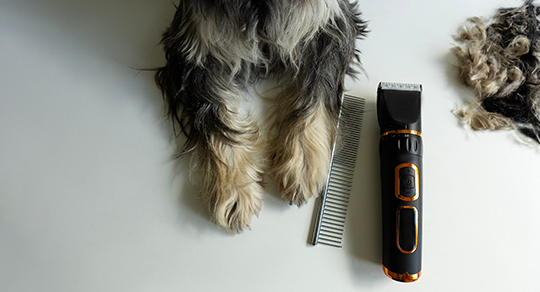
Dog Grooming by Coat Type: A Complete Guide to Brushing, Haircuts & Professional Grooming
A dog’s coat affects much more than appearance. Length, texture, density, shedding patterns, and how easily the hair tangles can all influence the way brushing, trimming, and professional grooming should be approached.
That’s why dog grooming works best when it’s based on the individual coat rather than a generic schedule. Two dogs of similar size can have very different maintenance needs, and even dogs within the same breed may require slightly different routines.
Choosing the Right Dog Grooming Approach for Each Coat Type
Understanding the coat is the first step toward choosing an appropriate routine. Coat length matters, but so do texture, density, shedding, tendency to mat, lifestyle, and the condition of the individual dog’s hair and skin.
Short, Smooth Coats
Short coats can look simple to maintain, but routine grooming still serves a purpose. Dog brushing can help lift loose hair and debris while giving you a chance to notice changes in the coat or skin.
Many dogs with smooth coats don’t need regular haircuts in the same way that continuously growing or longer coats might. Still, grooming needs vary with shedding, activity, coat condition, and individual circumstances, so it’s better to assess the dog than rely on the label “short-haired.”
Long, Silky Coats
Longer, finer hair can tangle more easily, especially where the coat experiences regular movement or friction. Careful brushing and detangling help keep the hair manageable before knots tighten into mats.
Dog haircuts can also become part of coat management for some dogs with longer coats. The right length depends on the dog’s lifestyle, coat condition, owner maintenance routine, and preferred style.
If tangles are becoming difficult to work through comfortably at home, professional grooming may be the safer option.
Curly Coats
Curly coats can hold loose hair and develop tangles below the visible surface, which means a quick brush across the top may not be enough.
Technique matters because grooming needs to address the depth and density of the coat without pulling unnecessarily. Some curly-coated dogs also require regular trimming to keep their hair at a manageable length, although the timing and style should reflect the individual dog.
Professional grooming can be particularly helpful when matting, coat density, or trimming makes at-home care difficult.
Wavy Coats
Wavy coats vary widely. Some are relatively easy to maintain, while others can become tangled quickly depending on length, density, and texture.
Regular coat checks are useful because they show you where loose hair or tangles are developing before the problem becomes harder to manage. Brushing and haircut choices should reflect how the actual coat behaves rather than assuming every wavy coat should be treated like a curly or straight one.
Wire Coats
Wire coats have a distinctive texture that can call for different grooming methods than smooth or silky hair.
Brushing and trimming may both form part of maintenance, but specialized techniques aren’t always appropriate to attempt without guidance. If you’re unsure how your dog’s coat should be maintained or how to preserve its texture, ask a professional groomer before experimenting with unfamiliar tools or methods.
Double Coats
A double coat generally has an outer layer along with a denser layer underneath. The amount of undercoat, shedding, and overall density can vary considerably between dogs.
Dog brushing can help manage loose hair, particularly during periods of heavier shedding. Because the coat has a layered structure, significant trimming decisions should be made with a clear understanding of the individual dog’s coat rather than based on appearance alone.
If you’re considering a major change in coat length, professional guidance can help you understand the available options.
Combination and Mixed Coat Types
Not every dog fits neatly into one category. Mixed-breed dogs, and even some purebred dogs, may have different textures, lengths, or densities across different areas of the body.
Look at the coat you actually have rather than relying only on breed descriptions. One area may tangle easily while another sheds more heavily, which can mean different parts of the coat need different attention.
When the combination is difficult to interpret, an experienced groomer can help identify a practical maintenance approach.
How Brushing and Haircuts Fit Into a Dog Grooming Routine
Brushing and haircuts do different jobs.
Dog brushing mainly helps manage loose hair, tangles, debris, and coat condition. The appropriate frequency and technique depend on the dog’s coat texture, length, density, shedding level, and tendency to mat.
Dog haircuts, on the other hand, may be useful for coats that require trimming to remain manageable or to maintain a chosen style. Not every dog needs them, and appearance shouldn’t be the only consideration.
Whatever the coat type, choose tools and techniques that suit the dog in front of you. If brushing feels unusually difficult, painful, or ineffective, it’s worth getting professional guidance rather than forcing the process.
Signs Your Dog’s Grooming Routine May Need to Change
A grooming routine that worked six months ago may not always remain ideal. Seasonal shedding, a longer coat, increased outdoor activity, changes in lifestyle, or simply the dog getting older can affect maintenance needs.
Watch for practical changes such as more frequent tangles, heavier loose-hair buildup, matting, or a coat that has become harder to brush comfortably. Those signs may mean brushing technique, frequency, coat length, or professional grooming support needs to be reconsidered.
Not every coat change is a grooming problem. Sudden hair loss, irritated skin, sores, pain, or other unusual symptoms should be discussed with a veterinarian rather than treated as routine coat maintenance.
Build a Dog Grooming Routine Around Your Dog’s Coat
Successful dog grooming starts with understanding how your dog’s individual coat behaves. Brushing, haircuts, and professional grooming should all respond to coat texture, density, length, shedding, tangling, lifestyle, and your ability to maintain the coat comfortably at home.
APEX Academy supports professional grooming education within the broader grooming environment. For information on our available dog grooming services, reach out to APEX Academy today at (306) 533-9155, email us at info@zoomzoomgroom.com or click here to get in touch online.
Frequently Asked Questions About Dog Grooming by Coat Type
How Can I Tell What Coat Type My Dog Has?
Look at characteristics such as hair length, texture, density, curl or wave pattern, and whether the coat appears to have distinct layers.
Some dogs have combination coats that don’t fit neatly into one category. If you’re unsure, a professional groomer can help you identify how the coat behaves and which maintenance approach may suit it.
How Often Does a Dog Need Professional Grooming?
There isn’t one schedule that works for every dog. Coat type, length, condition, lifestyle, at-home maintenance, and whether regular trimming is needed can all affect how often professional grooming is useful.
Dogs with coats that mat easily or require frequent trimming may need professional care more often than dogs whose coats are largely manageable at home.
What Type of Brush Should I Use for My Dog?
Choose a brush according to the dog’s coat and the task you’re trying to accomplish, such as removing loose hair, working through tangles, or maintaining longer sections of coat.
Dense, easily tangled, or specialized coat types may require more specific tools or techniques. If you’re unsure, ask a professional groomer rather than relying on a one-tool-fits-all recommendation.
Does Every Dog Need Haircuts?
No. Haircut needs vary considerably by coat type and individual coat characteristics.
Many dogs still benefit from brushing and routine coat maintenance even when trimming isn’t necessary. Before making a major change to coat length, especially if you aren’t familiar with the coat type, seek coat-specific professional guidance.